
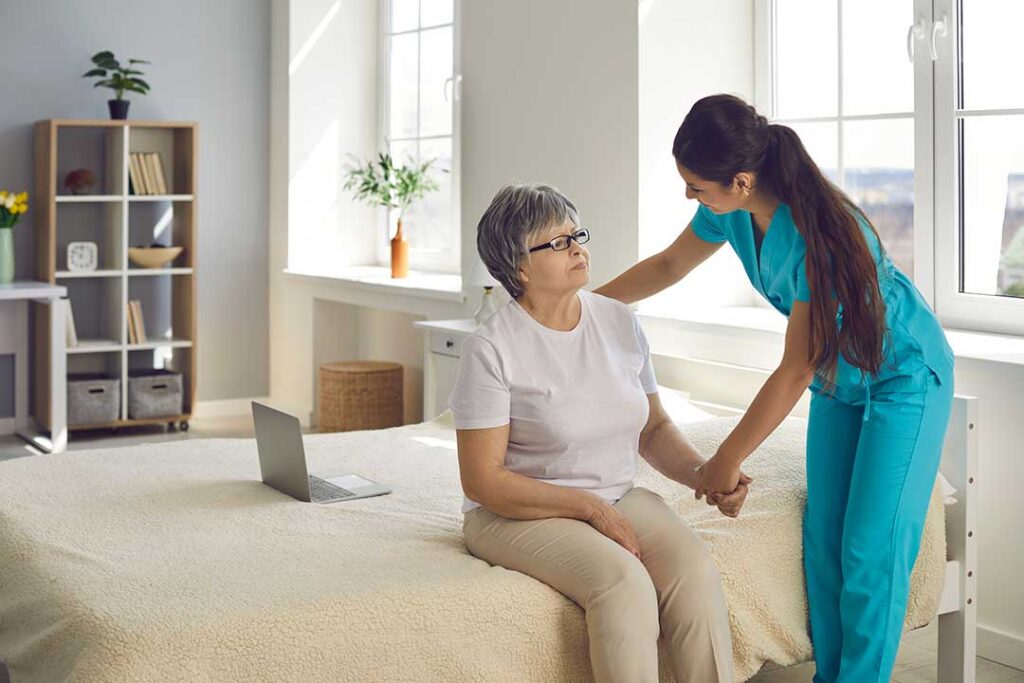
Assisted living is a residential setting for adults who need help with everyday activities but do not require continuous skilled nursing care. Residents typically have a private or shared living space, meals, household support, personal care assistance, social opportunities, and access to health-related services based on individual needs.
For families in Luzerne, PA, understanding the difference between assisted living, personal care homes, home care, and nursing facilities can make future planning less confusing. The right setting depends on a person’s health, safety, independence, finances, and preferences.
What does assisted living provide?
Assisted living combines housing and supportive care. The goal is to help residents remain as independent as possible while receiving assistance with tasks that have become difficult or unsafe.
Services may include:
- Help with bathing, dressing, grooming, and toileting
- Assistance getting in and out of bed or a chair
- Medication reminders, assistance, or administration according to applicable rules
- Meals and help with special dietary needs
- Housekeeping and laundry
- Transportation arrangements
- Wellness checks and care coordination
- Social, recreational, and educational activities
- Support with appointments and communication with health care providers
The exact services differ by residence. Some communities are designed for people who need limited daily assistance, while others can support residents with more complex needs and provide supplemental health care services.
Assisted living is not the same as having a nurse provide continuous medical care. Staff may be available around the clock, but the type and level of care depend on the residence’s license, staffing, and service capabilities.
Who is a good candidate for assisted living?
Assisted living may be appropriate for an adult who is having difficulty managing safely at home but does not need the continuous medical supervision provided in a nursing facility.
Common signs include:
- Repeated falls or increasing difficulty walking
- Missed medications or confusion about prescriptions
- Trouble preparing meals regularly
- Difficulty bathing, dressing, or using the bathroom safely
- Social isolation or long periods spent alone
- A home that has become difficult to maintain
- Family caregivers who can no longer provide dependable daily support
A person does not need to be completely dependent to consider assisted living. Many residents move because routine tasks have become tiring, risky, or overwhelming. The purpose is support, not loss of independence.
A medical assessment and a careful review of daily abilities can help determine whether assisted living is suitable. Conditions such as advanced dementia, serious behavioral symptoms, complex wounds, or a need for frequent skilled nursing may require a different setting or additional services.
How is assisted living different from a personal care home?
Pennsylvania recognizes both personal care homes and assisted living residences as licensed residential settings. They provide many similar services, including meals, supervision, personal care, and help with daily activities.
An assisted living residence is generally intended to support people with higher care needs than a personal care home while promoting decision-making, personal choice, and the ability to age in place. Assisted living residences also have additional requirements involving resident living units, staffing, health services, and care planning.
The names used in advertisements can sometimes be confusing. Families should verify the actual license and ask exactly what services the residence is authorized and prepared to provide. A residence’s size or appearance does not, by itself, indicate the level of care available.
How does assisted living compare with home care and a nursing facility?
Home care allows a person to remain in a private residence while receiving assistance from scheduled caregivers. This may work well when support is needed for only a few hours each day and the home remains reasonably safe.
Assisted living provides housing, meals, supervision, and care in one residential setting. It may be more practical when a person needs regular help, has difficulty managing alone, or would benefit from reliable access to staff and activities.
A nursing facility provides a higher level of medical and nursing care. It is intended for people who need ongoing skilled nursing, rehabilitation, extensive medical monitoring, or significant assistance with complex health conditions.
These options are not always permanent or linear. A person may move between home, rehabilitation, assisted living, and skilled nursing as health needs change.
What does assisted living cost, and does Medicare pay?
Costs vary according to location, apartment type, care needs, staffing, and optional services. A monthly rate may cover room, meals, utilities, activities, and basic services, while additional charges may apply for medication management, personal care, transportation, or increased supervision.

Medicare generally does not pay for room, board, or routine custodial care in assisted living. It may still cover eligible medical services, physician visits, prescriptions, therapy, or other health care provided separately from the residential charge.
Long-term care insurance may provide benefits depending on the policy. Some residents may qualify for public assistance programs or home- and community-based services, but eligibility and coverage rules are specific. Families should request a written breakdown of included services, extra fees, deposits, refund policies, and payment obligations before signing an agreement.
What should families ask before choosing a residence?
A visit should include more than viewing a model room. Families should observe how staff speak with residents, whether common areas are clean and comfortable, and whether residents appear engaged or isolated.
Useful questions include:
- What level of assistance can staff provide with bathing, transfers, toileting, and medications?
- Is staff available overnight, and how quickly do they respond to emergencies?
- Is a licensed nurse on site, on call, or available only at certain times?
- What happens if a resident falls, becomes ill, or needs hospitalization?
- How are care plans created and updated?
- Are dementia-related services available?
- What services are included in the monthly fee?
- Which charges can increase as care needs change?
- Are transportation, laundry, and personal supplies included?
- What are the policies for visitors, pets, smoking, furnishings, and overnight stays?
- Under what circumstances might a resident need to move elsewhere?
It is wise to visit at different times of day, including during a meal or activity. Winter conditions in Luzerne can also make transportation, walkways, entrances, and emergency planning worth discussing. Ask how the residence handles snow, ice, power interruptions, heating problems, and severe weather.
How are assisted living residences regulated in Pennsylvania?
Assisted living residences and personal care homes in Pennsylvania must be licensed and inspected by the Department of Human Services. State requirements address areas such as fire safety, staff training, nutrition, resident health, personal care, physical conditions, care planning, and resident rights.
Before making a decision, families can verify that a residence is licensed and review available information about its inspection and compliance history. A license does not guarantee that every residence will be a good personal fit, but it confirms that the setting is subject to state oversight.
Residents generally have rights involving privacy, dignity, participation in care decisions, access to records, communication, personal property, and freedom from abuse, neglect, and improper restraints. Concerns about care or safety should be documented and reported through the appropriate facility and state complaint processes.
When should planning begin?
Planning is easier before a crisis occurs. A conversation can begin after a fall, a hospitalization, a noticeable decline in self-care, or growing caregiver exhaustion, but families do not need to wait for an emergency.
Discuss preferences about location, room type, meals, activities, privacy, religious or cultural routines, pets, transportation, and involvement of family members. Reviewing financial resources, insurance coverage, legal documents, medication lists, and medical history can also reduce delays later.
The central question is not simply whether someone needs assisted living. It is whether the setting can provide the right amount of support while preserving safety, dignity, choice, and as much independence as possible.
